Conservation: Keeping Coastal Connections Intact
For over two centuries, coastal wetlands were dismissed as wastelands: mosquito-ridden swamps to be ditched, drained, filled, or walled off. Today, ecological science recognizes that breaking the land-ocean connection triggers cascading failures in water quality, fisheries, and coastal flood defense.
The Pitfalls of Hard Armoring: Coastal Squeeze
When sea levels rise against an unarmored natural shoreline, salt marshes and mangrove fringes slowly migrate inland, colonizing adjacent low-elevation floodplains. However, when humans construct rigid concrete seawalls, riprap dikes, or roads directly behind the wetland boundary, the habitat becomes trapped.
This phenomenon—termed coastal squeeze—causes the intertidal zone to drown as deep water overtakes the outer boundary while inland movement is physically blocked. Over time, the protective marsh completely erodes, leaving the seawall exposed to direct wave action and accelerated scouring at its toe.
Ecological Mangrove Restoration (EMR) vs. Planting Seedlings
Well-intentioned tree planting projects frequently fail because seedlings are planted in exposed mudflats or sandbars where mangroves do not naturally grow. Scientific EMR focuses instead on:
1. Diagnosing why tidal flow was originally altered (blocked culverts, abandoned shrimp pond berms).
2. Excavating tidal channels to restore natural ebb and flood hydrology.
3. Allowing native wild propagules to naturally recruit and self-seed at appropriate elevation bands.
Global Treaties and National Policies
Conserving migratory coastal systems requires coordinated multinational governance. Species that breed on arctic tundra depend on temperate estuaries for refueling, before wintering in tropical mangrove deltas.
| Framework / Treaty | Scope | Primary Enforcement Mechanism |
|---|---|---|
| Ramsar Convention on Wetlands (1971) | Global | Designation of Ramsar Sites of International Importance; wise-use monitoring |
| Bonn Convention (CMS) | Intercontinental | Bilateral flyway partnerships protecting critical stopover estuaries |
| Clean Water Act (Section 404, USA) | United States | No-net-loss mitigation banking and dredge-and-fill permitting |
| EU Habitats Directive (Natura 2000) | European Union | Strict conservation zoning and ecological status restoration mandates |
Managed Realignment: Giving Land Back to the Tide
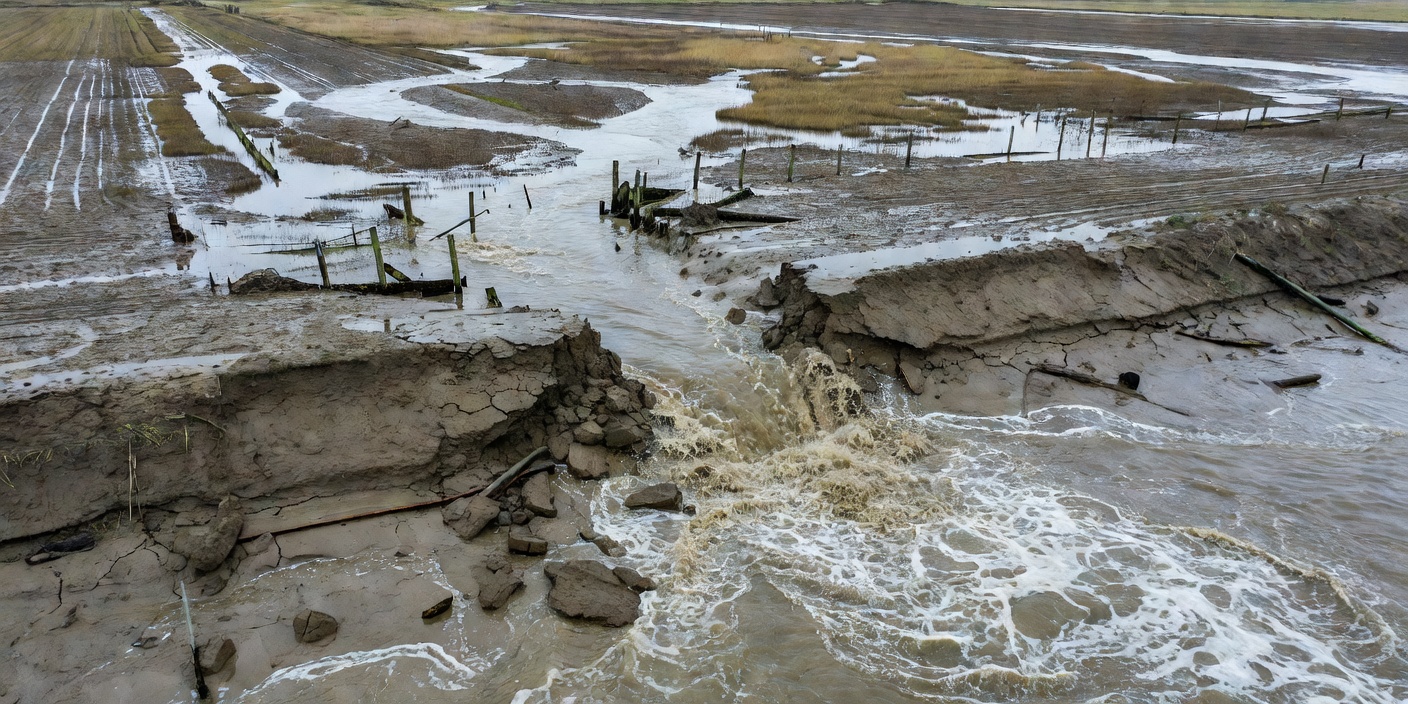
In coastal areas with aging sea defense dikes, conservation agencies are pioneering "managed realignment." By intentionally breaching earthen embankments in targeted locations, the sea is invited back into historical floodplains.
Within two to three growing seasons, dormant seed banks germinate, sediment accretion resumes, and healthy salt marshes naturally re-establish. These renewed marshes provide storm attenuation far more cheaply than maintaining aging concrete sea walls.
Prepare for Responsible Coastal Exploration
Review essential ethics, safety measures, and field questions before venturing onto the intertidal flats.
Read the Field FAQ